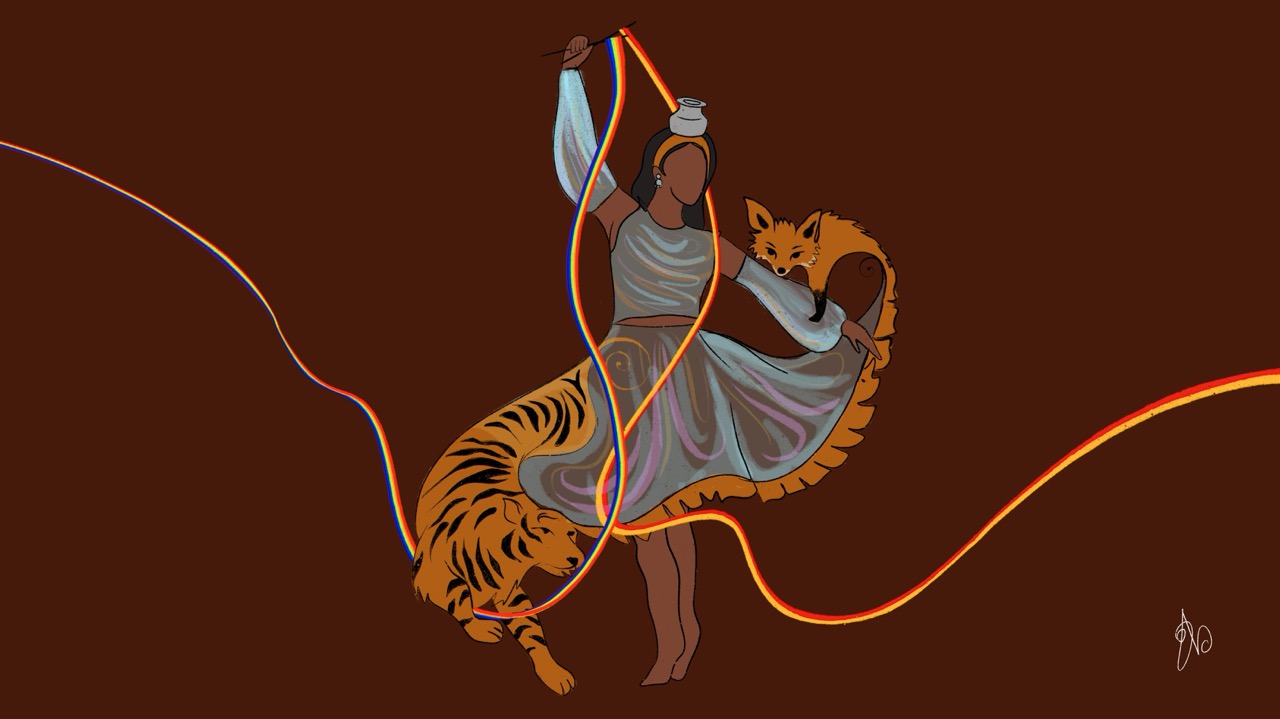
Our dance teacher sometimes paused mid-step, letting silence speak where words could not.
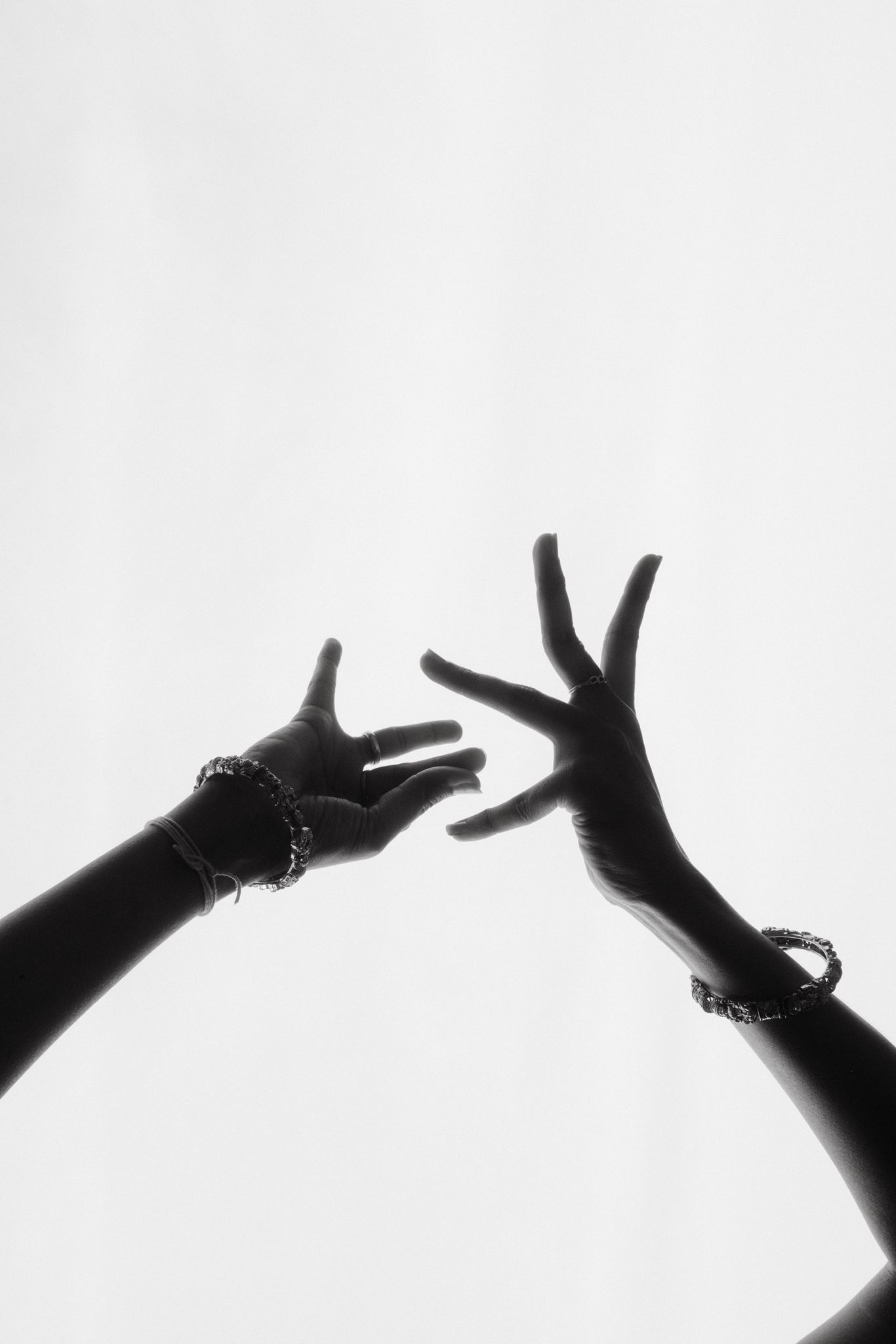
She adjusted your wrist. She shifted your shoulder. She tapped your foot gently with her own. In Bharatanatyam, tension in the body tells a story.
She would focus on a child, perhaps struggling with a gesture, guiding, giving form to that which could not be expressed.
Sometimes, she held our limbs in place a second longer than necessary, as if she were willing the body to remember something it had not yet learned in language. As if memory could be trained into muscle before it ever reached the mind.
Before We Had the Words
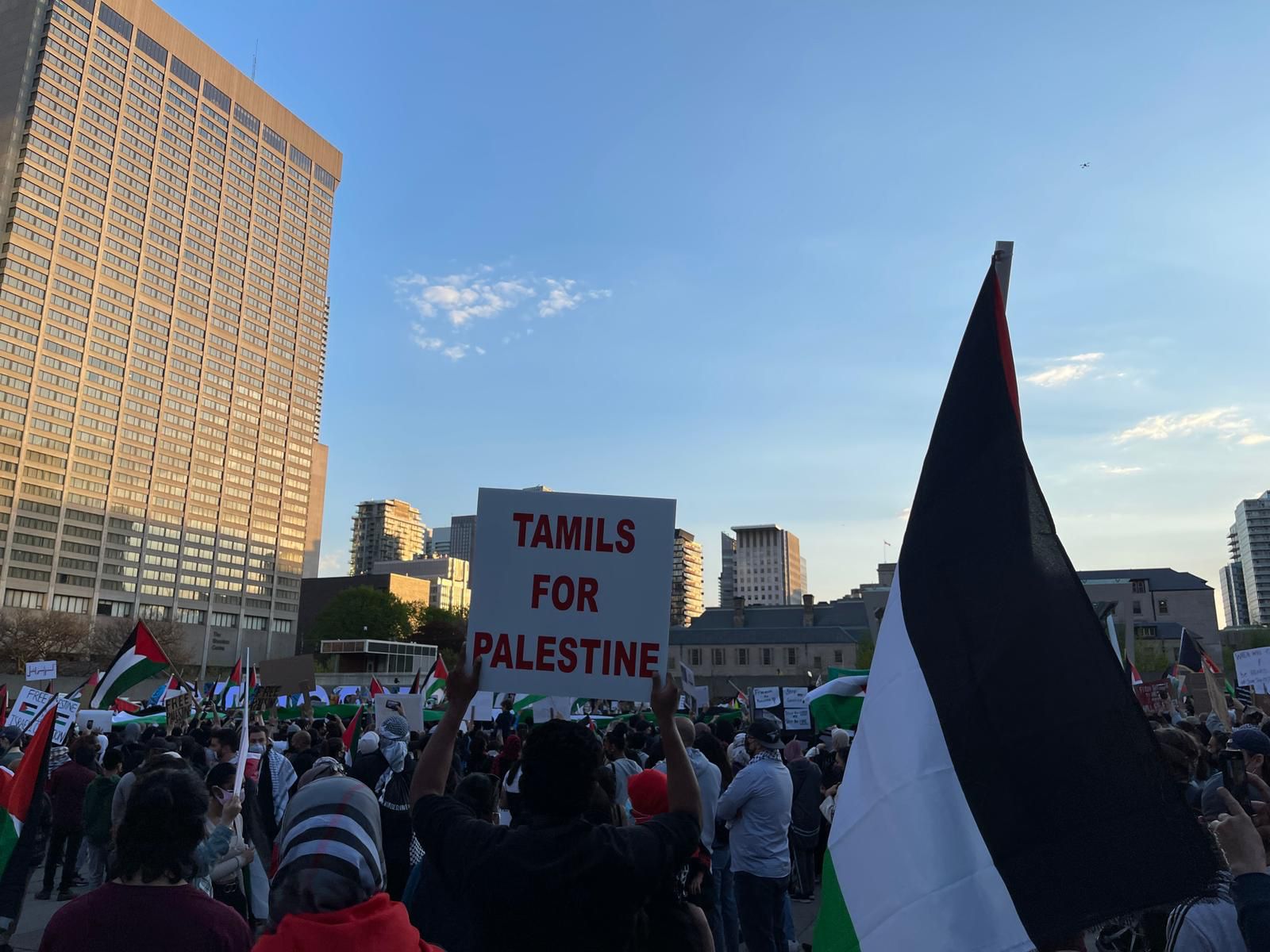
For those of us not yet living in 1976, Vadukoddai is not a memory; it’s our inheritance. An instinct of refusal and a predisposition to opposition.
I remember sitting on the floor, drawing lines in the dust with my finger, while the adults spoke above me. No one told me to be quiet. But my hand slowed. I knew not to interrupt. I learned to listen without looking up.
As children, we existed in small worlds. We were playing in the soil, shaping dolls from clay, collecting navalpazham from trees. The days were not perfect; our school days were intermittently disrupted by the roar of fighter jets and the sound of my heart pounding in my throat. My chest tightened at the sight of a vehicle slowed outside, my breath pausing halfway at a door knocked too hard.
I don’t know if we had political consciousness. I know we were conscious.
Of our fathers returning home and speaking to the neighbours in lowered voices. The gravity of the air that filled our homes. Our ears picked up the words being passed over our heads, stories of kids just like us, of torture and pogroms, bequeathed unintentionally. Coded conversations and constant caution, behaviours inscribed with fear.
My Teacher
Our dance teacher was tall, taller than most women around her, with a long spine that made standing still look choreographed. Her skin caught the sun in a way that made people look twice: part desire, part recognition of her tenacity. Her hair was usually tied tightly, out of respect for movement. Nothing was allowed to distract from the intention.
When she danced, the air leaned in. Noise softened, and children straightened. Even fear, that constant background hum of those years, paused politely at the door.
At her feet, we were too small to understand history and too young to name injustice. I just knew that when she entered the room, everything aligned.
The Opposition
As an adult, I’ve heard the debates as both still-alive and post-mortem.
I watch the sinister ways my community is pushed away from lands they call home, asked to contort their mother tongue across language families in the name of dignity.
The tourists swell over and through, gawking from the windows of sightseeing buses doing victory laps. They stretch borders for the sake of opportunity, holding the threat of violence over our heads as our people live in poverty.
When someone speaks about “moving on,” I feel it before I can respond. My jaw tightens before I realise it. My shoulders pull back slightly, as if I’m bracing. The anger in me does not ask for permission. The sound of my heart beating in my throat is a familiar acquaintance. I am still oriented towards opposition.
The Dance
I remember one performance clearly.
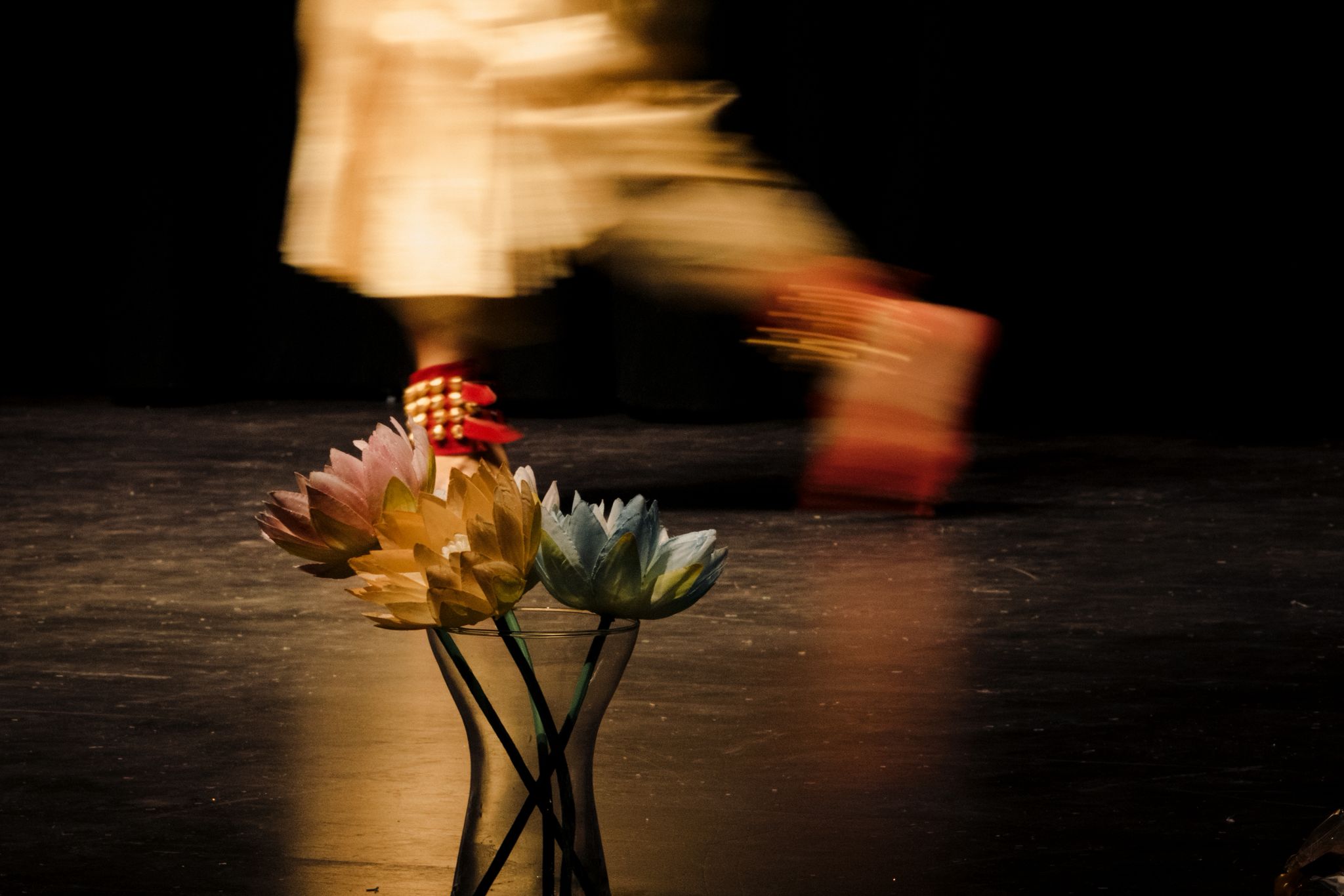
The blue flowers on the curtains faded with age, the stage between them, tight and cramped—the smell of sand and still air. The sound system cracked when the music began.
She started seated, grounded, palms pressed to the floor.
Her first movements were restrained. Her hands were glued to her hips while her feet introduced themselves to the floor, deliberate and contained. Heel, then toes, toes then heel.
As the rhythm grew, her arms extended, spine lifting, gaze rising. Her footwork in tune with the ravenous beat.
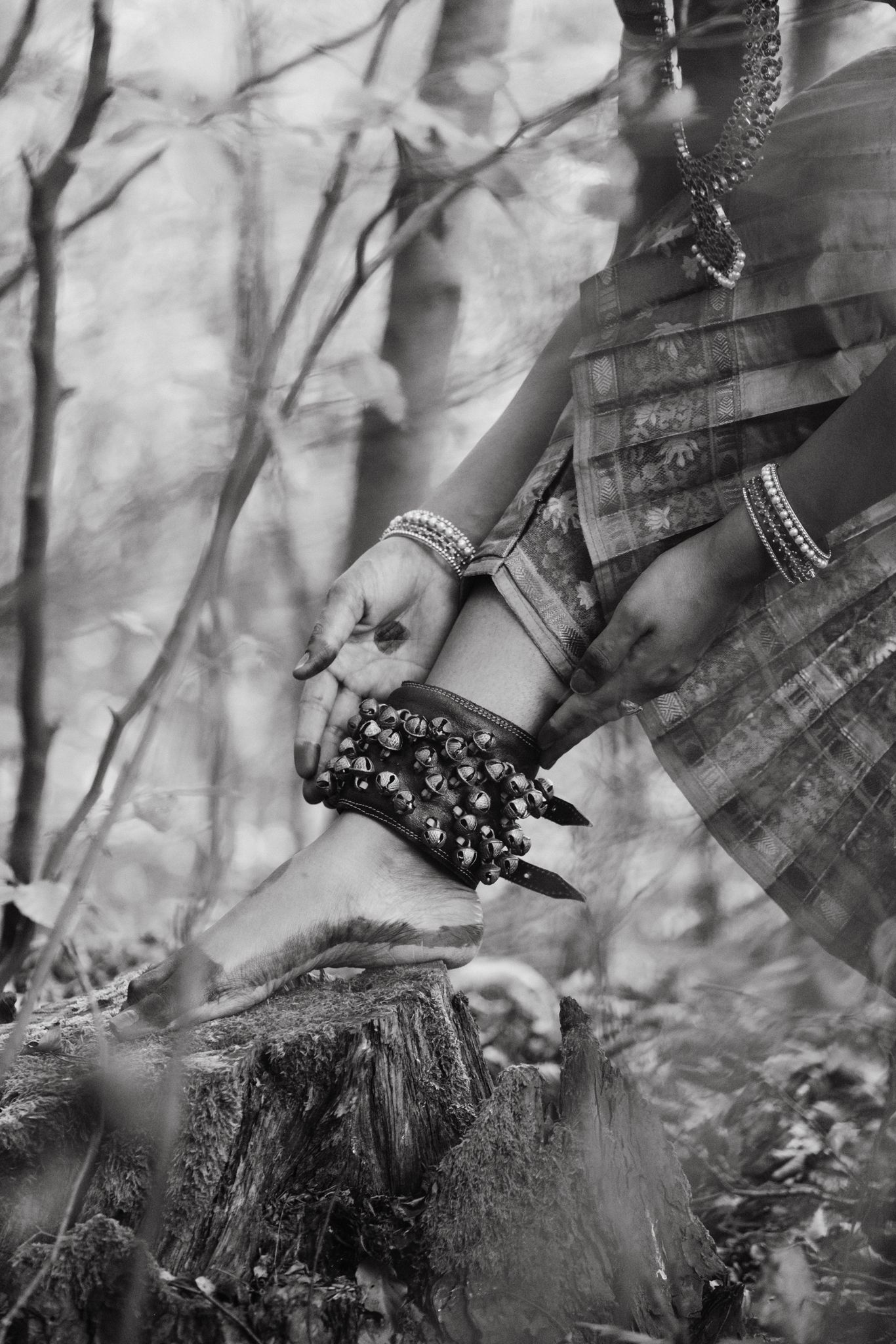
She attempted a leap and stopped mid-motion. Her body froze. The last rings of her anklets echoing in a suddenly quiet theatre.
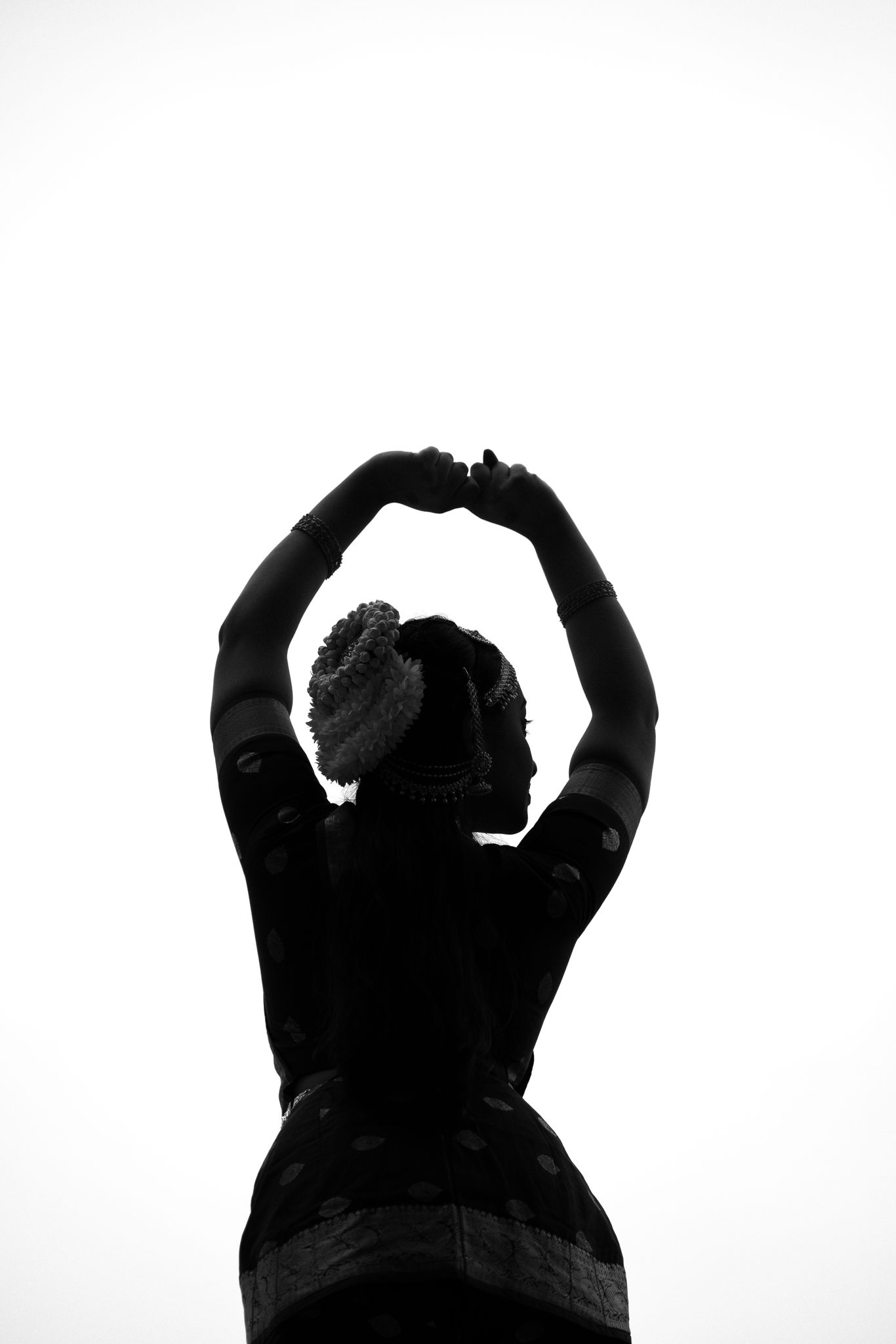
She turned toward the audience, eyes steady and glowering, unblinking. The outline of her body large in her outstretched arms. She resumed, this time with force.
Her feet struck the floor harder. Her movements sharpened. Precision replaced softness. It was only later that I would understand this as an assertion.
I remember sitting cross-legged, my nails digging into my palms. When the performance ended, a long pause to breathe again. Then applause, my hands jumping to meet each other before I could tell them to.
What happens to people when they are told they may dream, but not move?
Inheritance
For the children of the struggle, historical moments split your life in two: before and after. This inheritance is not symbolic. It defines what is negotiable and what is not.
It was only later that I began reading newspapers, listening to radio discussions, and encountering texts on the Tamil struggle for liberation that fragments of my consciousness aligned. When the subconscious becomes conscious, it rearranges you.
It did not feel like learning something new. It felt like something clicking into place. Like hearing a word I had known for years, but was only now able to say out loud.
I think of her again here.
The way she would make us repeat a single movement until it settled into the body. Not perfect, not immediately — but slowly, through return. Heel, then toes. Toes, then heel.
At the time, it felt like discipline. Later, I understood it as something else. The body learning what it must hold, even when the mind wanders.
Perhaps this, too, is how something larger takes shape. Not in a single moment of arrival, but in repetition. In correction. In the quiet insistence of coming back to the same step, again and again, until it becomes natural.
Until it no longer feels like effort, but orientation.
A Different Movement
One day, my dance teacher simply stopped coming.
No announcement or explanation.
Weeks, then months, passed.
The classroom felt emptier.
And disjointed.
Then one afternoon, I saw her.
Not in a sari.
In uniform.
Her hair was tied tighter.
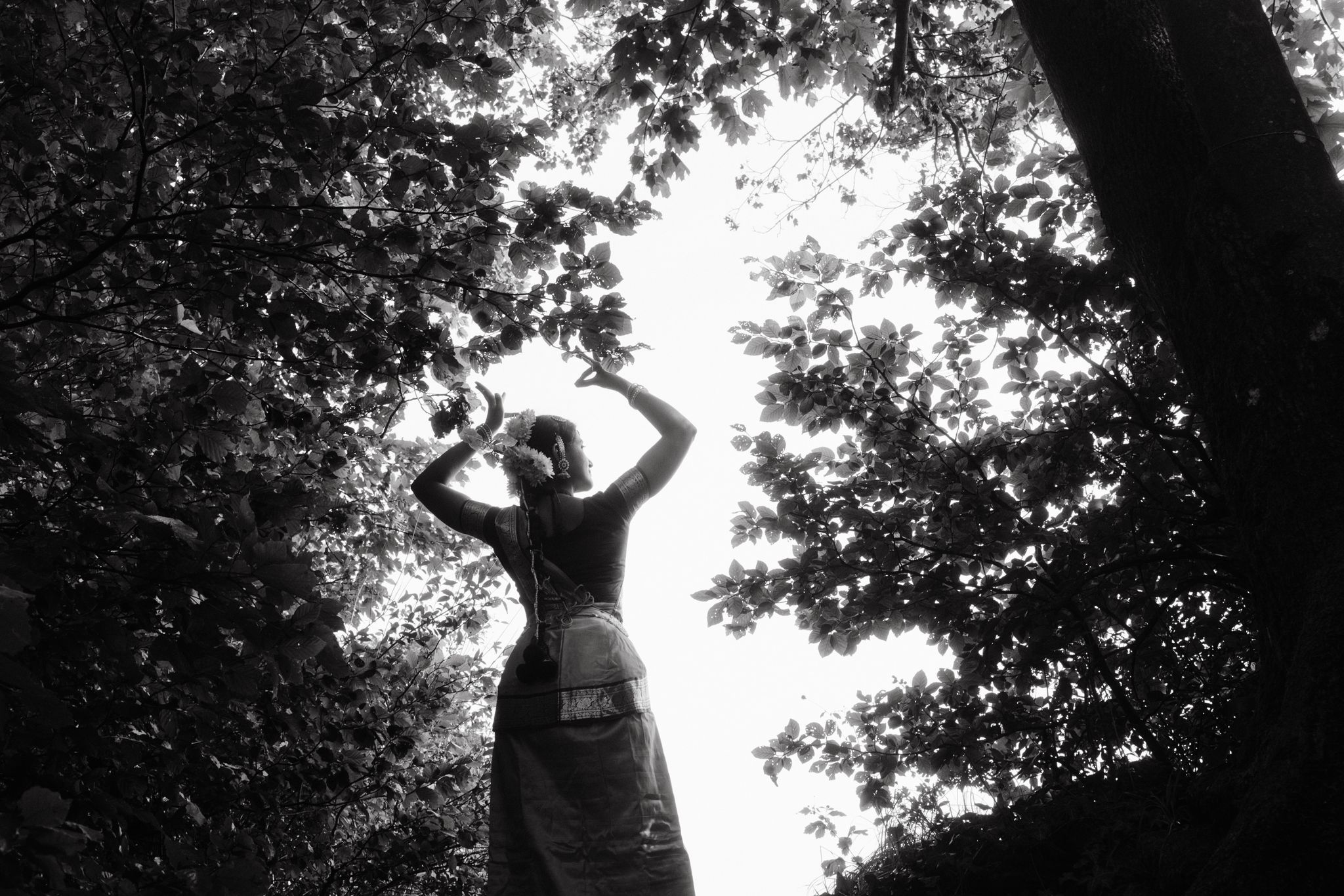
Her silhouette, once draped softly by silk, now roughly cut by straight edges.
Her presence, heavier.
But her feet met the ground with practiced familiarity; the ghost of the sarpa nadai stitched to her shadow.
When she spoke to me, her voice was softer than before, choosing words gently, “Some dances are not performed on stages.”
I was a child.
But something inside me straightened.